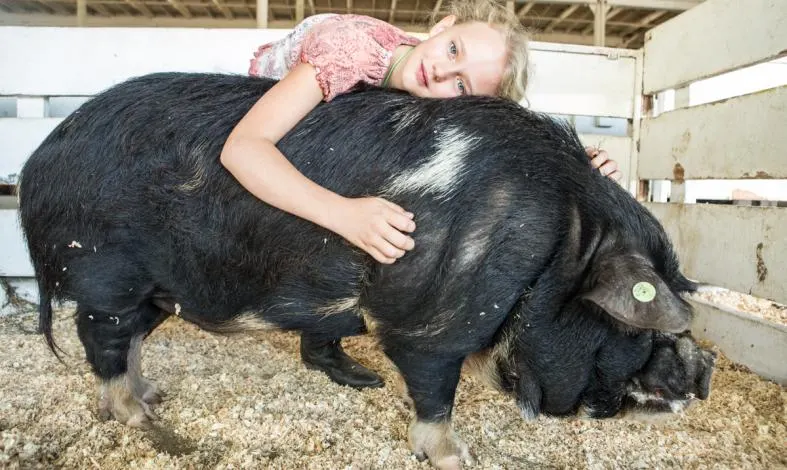
2015 National Heirloom Festival: Freedom of Our Food Supply
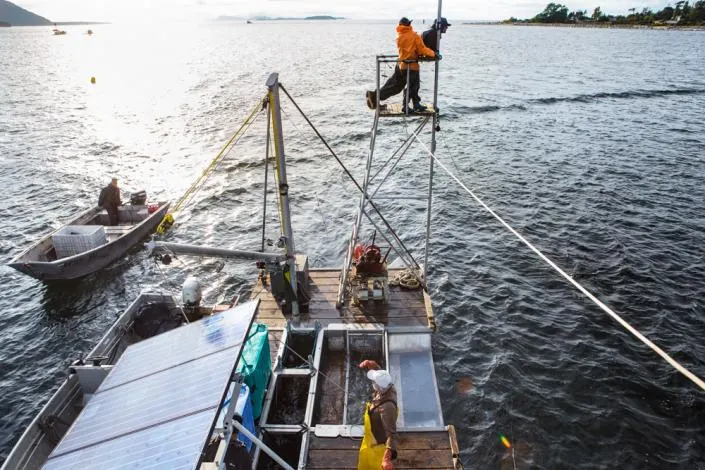
True North of Sustainable Fishing, Reefnet Style
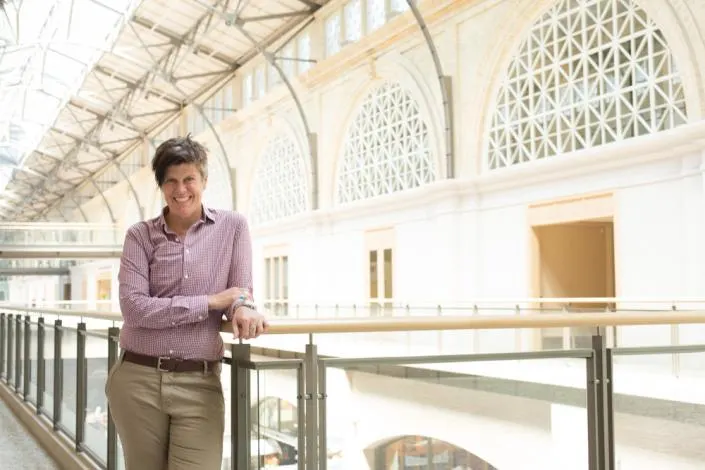
Hallelujah for the Ferry , San Francisco's Church of Food
Do you crave sustainable food? You'll find it in spades at this inspired San Francisco Supperclub
How the curious case of eco-fibbing gave rise to the dynamic sustainable-fish duo of Two X Sea
How a Craggy Coastline, a 1971 VW Bug, and Marlowe Inspired Chef Dante Cecchini's Joyous Journey of Food
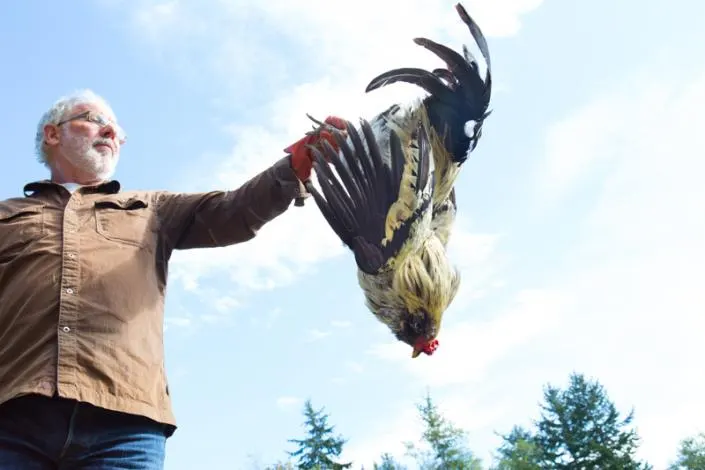
Poultry Slaughter Workshops + Truffle Hunting + Ancient Reef Net Fishing = Riley Starks
AllStar Organics Farm: Heirlooms, Infusions and Blends for an Appreciative Market
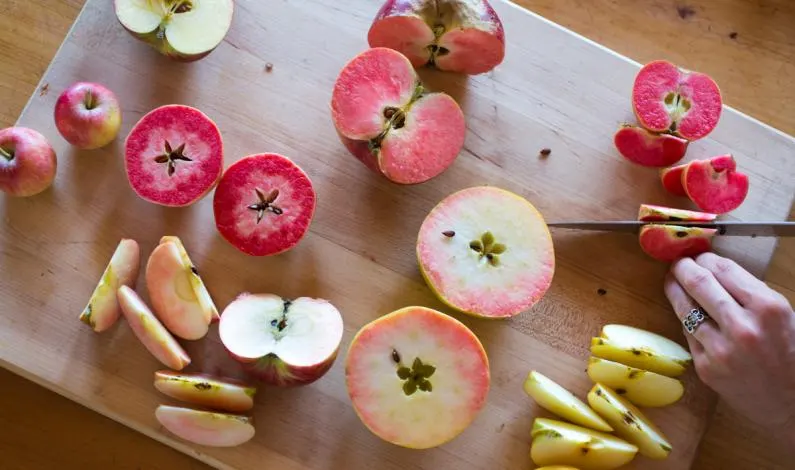
Apple Farmer + Pastry Chef + Ruby Reds = Pink On The Inside
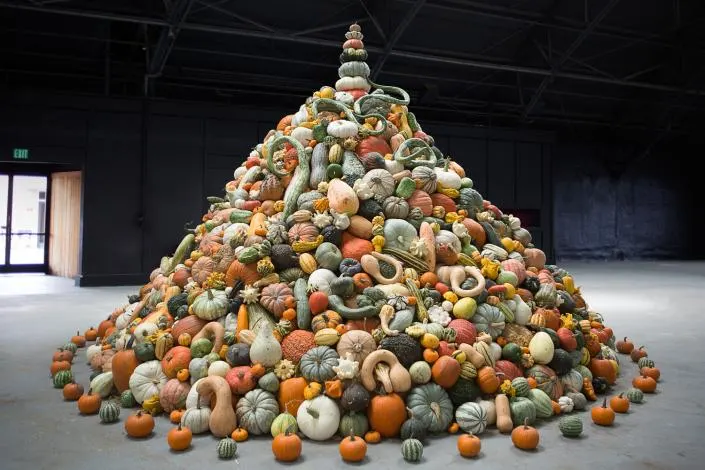
National Heirloom Expo - World Fair of Pure Food
San Francisco's Perennial, Beyond Farm To Fork, A Marriage Of All Things Sustainable
Chef Blaine Wetzel of the Willows Inn on Lummi Island, WA
Positively Indelible Marketing...Amy Yvonne Yu
Farmer Wendy Baroli & Chef Mark Estee Bridge Meat Gap In Reno Part II
Help plant a "Mother Orchard" with the strongest, drought and pest resistant wild trees and vines found in California
Farmer Wendy Baroli & Chef Mark Estee Bridge The Sustainable Meat Gap In Reno
Chef de Cuisine Dante Cecchini, Wanderlust in a Pop-up Kitchen
Chef Seth Caswell, Technology and Healthy Food for Emotional Well Being, Google and Adobe Style
Chef Tom Douglas, "Deliciousness Served With Graciousness" in Seattle
Chef Stephan Pyles... Limitless in Texas
Kanaloa Seafood: Netting the Spirit of Environmentally Responsible Fishing
FoodShed Exchange Celebrates With Great Farmers, Friends & Family
Restrauteur and Farmer Pete Eshelman: Hunger for Humanely Raised Beef With a Nutritional Twist
Chef Natalie Sellers: Artisan Parmesan, Vertical Tasting, and Food Culture in Reno
Fisher Heidi Dunlap: Wild Alaskan Salmon Running for Their Lives
Chefs Collaborative Upgrading the Quality of Our Food Supply
Amigo Bob... Influencing the Neyers Vineyard of Napa Valley
A Kinfolk Honey Gathering... Supporting Our Homeland Security
Quality U.S. Grown Food IS Our Homeland Security
Composting the Biggest Rib Cookoff in America
Visuals Only Because Most Haven't Been (PHOTOS)
Farming Beyond Me... Fighting the Tide in a Sea of Wheat
"An Apple a Day..." or Hundreds of Thousands From Tree Top
Bluebird Grain Farm: East of the Cascades in a Sea of Emmer
Sea-Crop Soup, From Sea To Shining Sea
Chef Jerry Traunfeld, Soulful in Seattle
Horse Power on Betsey's Farm, Bainbridge Island, WA
New Seasons Market: The Freshest Chapter in Portland Food Scene
Nature, An Instrument of Restoration
Homeless Garden Project: A Safe Place To Go
GirlFarm, A Field Of Dreams
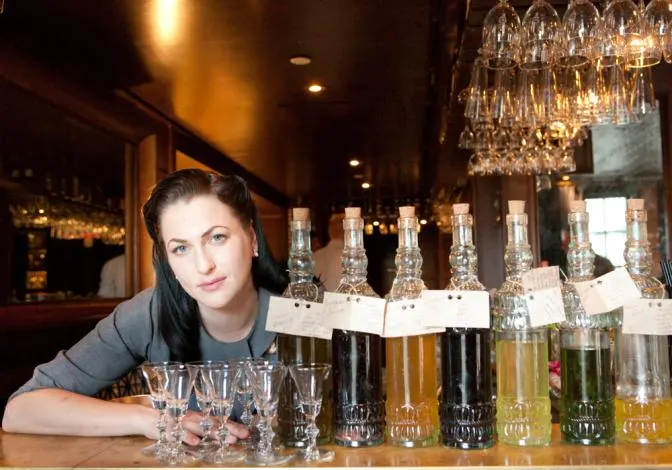
Craft Bartender Naomi Schimek: Foraging in L.A. With Time To Spare
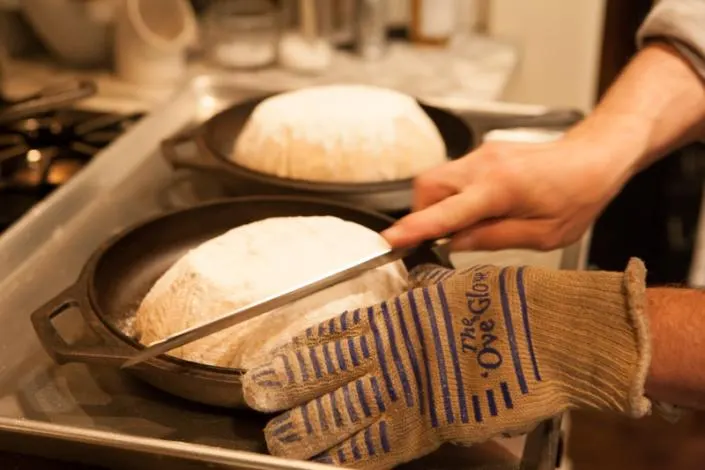
In The Body Of Bread, The Holiness Factor Revealed
Legacy For The Essential Farm Fashionista
Biodynamics is the highest level of organic farming. Its practices, including the elimination of all chemicals and artificial inputs, create the most unique, natural and healthy environments in and around our vineyards. Biodynamics is a holistic farming approach that works with and coordinates all of the natural and living systems on our entire piece of property. It requires meticulous attention to timing and hands-on detail as well as intimate knowledge of the cycles of the vines, plants, animals and micro-organisms that live on this land. Working with these systems over a period of time creates flavors and textures associated only with the wine made here. The diagram below illustrates the components of Biodynamics with the order of impact from bottom to top. The true benefits of Biodynamics occur when all of these components are working together.
click on the graphic above to view larger version
Through the medium of the grape and wine, the authentic character and spirit of our Sonoma Mountain Estate is captured in a one-of-a-kind bottle of wine called Tribute. It is a true tribute to the land and people who work it.
The Benziger Sonoma Mountain Estate works as a research and development project for developing farming methods that increase the authenticity, flavor and intensity in the grape that then will be shared with our 36 growers and others who are located mostly in Sonoma County. It has become widely recognized that a healthy environment in and around a vineyard contributes to higher wine quality with a sense of place and natural disease protection. The detailed, traditional practices of Biodynamics have inspired new approaches in all areas of grape growing, winemaking and managing the environment at Benziger Family Winery. These practices are aimed at developing the most intense, authentic character from our local grapes and wines.
Biodynamic practices encourage us to spend more time observing our vines and property. There is no substitute for regularly walking through our vineyard with eyes wide open in our quest to produce grapes that have the most meaningful connection to this place. We seek to develop the contemplative and intuitive skills which permit the vineyard to continuously reveal its character to us and our team. These skills will allow us to perceive patterns in the environment that give us the ability to anticipate needs and avoid problems.
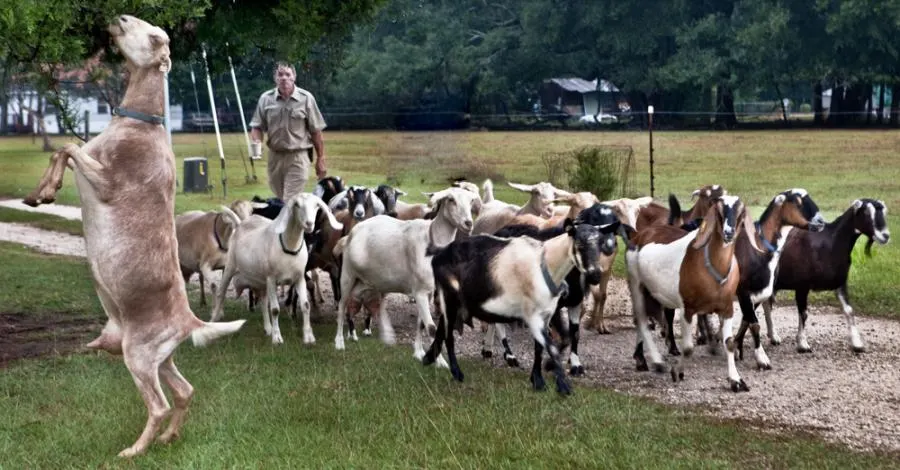
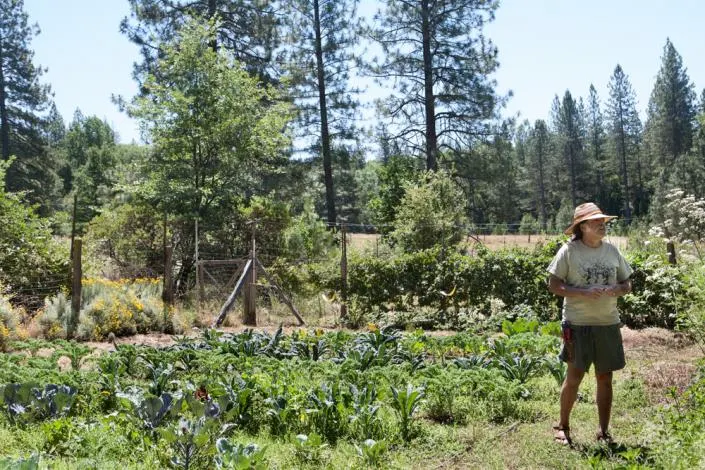
One of the purposes of Biodynamics is to capture the environment in a bottle of wine. Our Sonoma Mountain property is 85 acres; 35 acres are planted in grapes and 50 acres are gardens, animal pastures, insectaries, olive groves, wetlands, ponds, riparian areas and forest border areas. These places are farmed and maintained with the same resources and energy as the grapes.
We work diligently to harmonize the vine selection, the diversity
of the plantings and the layout with the energic contours of the place. This harmony and integration with the natural surroundings produces what we call in Biodynamics, farm individuality. If something does not work to its full potential, we are not afraid to change it or try a new approach. The timing and methods used are adjusted according to vintage conditions.
Think of our grapes as the lead character in a play and the surrounding landscapes as the supporting cast that makes the lead character interesting and genuine. The more individualized and healthy our surrounding environment, the more distinctive the flavors of our grapes and wine.
Natural systems function best among a wide diversity of compatible living organisms and plants. Our strategy is to provide a stable network of mutually beneficial relationships through a wide array of plants, animals and microbes. One way these networks benefit us is by creating a balanced predator/prey relationship. The tighter the niches in nature are filled and critical relationships maintained, the more stable and healthy a property is.
Over time, tightly packed, highly diversified, self-sustaining systems have given us the ability to eliminate pesticides, which in turn creates even stronger, more diverse systems. One of the important results from a winemaking perspective is the population growth of native yeast living on our plants. The ability for us to make wine with this yeast helps create signature flavors and textures for our wine. Yeast can have a substantial impact on the final quality of a wine.
As much as possible, we try to keep our ranch a closed-system, especially when it comes to nutrients. This makes our waste stream very valuable because now it is our primary source of nutrients for our plants. In the past it was “garbage” that cost us $2,500-$4,000 a month to haul away. What a difference a philosophy makes.
All organic material (landscape waste, vineyard waste, pomace, stems, winery waste) on our ranch is collected, composted and recycled back into the soil. Composting is similar to fermentation. The pile is carefully constructed, heated up to precise temperatures and turned four to five times a year. The waste is transformed by microbes into a beautiful earthy humus.
One tablespoon of well-made compost contains millions of micro- organisms and up to 100,000 different types. At Benziger, the chief use of compost is not fertility, but for soil vitality. The annual compost program maintains and increases soil biology year in and year out.
Think of these microbes as our own personal chefs in the soil. They break down and absorb organic nutrients in the soil (much of it cover crop residue) and combine it with the volcanic minerals in our soils to make a gourmet dish of food for our plants and vines. Since this process uses the unique elements of our ranch, it contributes to the individuality of this farm and provides for the production of one- of-a-kind wines and other foods from this property.
Compost is normally spread one time a year at a rate of two to four tons per acre, which is not much. It is usually applied after harvest, but before the cover crop is planted. The main application is timed to coincide with the root growing period in a grapevine.
These are the Biodynamic preparations that are used on this ranch:
Horn manure – triggers soil biological activity. Stimulates root growth.
Horn silica – enhances the process of photosynthesis. Influences color, aroma, flavor and the shelf-keeping quality of crops.
Yarrow – aids a plant’s ability to absorb important trace elements. Chamomile – stabilizes nitrogen, stimulates growth.
Stinging nettle – stimulates soil health, enlivens soil micro-organisms.
Oak bark – stimulates plant’s immune system and promotes healing.
Dandelion – balances the important relationship between silica and potassium. Regulates healthy growth.
Valerian – regulates compost activity. Mediates phosphorus component, important for photosynthesis.
Equisetum – strengthens a plant’s resistance to molds and fungus.
The Biodynamic preparations are triggers or catalysts that initiate biological activities aimed at bringing the right energies at the right time to the soil and plants. These treatments are homeopathic because they initiate the release of energies, not matter. For instance, the use of horn manure, which is mixed in water for an hour then sprayed out on the vineyard floor just before sunset in the fall after harvest, acts to stimulate and enliven biological activity and is timed to coincide with the root growth activity of a vine.
Horn silica, which is mixed in water for an hour, is misted into the air at sunrise during the summer and just before harvest to enhance photosynthesis. The effect is to increase color, flavor, aroma and shelf-keeping qualities of our grapes.
All plants, animals and microbes evolve with an intimate connection to the land they grow on and the cycles of nature that surround them. These natural cycles include the movement of the sun, the seasons and the lunar cycles. Timing farming activities to align with the rhythms of nature maximizes the natural energies and special qualities of a location. For instance, careful farming practices and the correct plant selections allow a plant to align its key physiological activities with the cycle of the sun.
Budbreak – Spring equinox
Bloom – Summer solstice
Harvest – Fall equinox
Dormancy – Winter solstice
The closer a plant is aligned to these cycles, the more it will express the attributes of that particular vintage and the individuality of the site.
Biodynamics is the practice of enhancing and connecting energy sources into a holistic system. It connects us to the universe through the sun which drives photosynthesis in our vines. It connects us to the earth through the complex and dense web of roots. And it connects us with each other in the act of sharing wine.
The more diverse, the more dense and the more connected an environment of plants, animals and microbes are on a piece of property the more likely they will give patterns and rhythm to matter and life through the emissions from the energy field specific to a place. This is the true root of authenticity. These energies evolve with careful stewardship over time to form a “consciousness” which the land takes on. Through awareness, practice, meditation and intuition, we can feel and perceive these energies that embody the spirit of the land.